









Gold Glitters, Workers Flicker: Mine Union Boss Slams "Cut-Throat" Labour Practices Amid Record Boom
Beneath the dazzling sheen of record-breaking gold prices soaring past $3,000 an ounce, a grim reality festers for Ghana's mineworkers: a landscape dominated by precarious jobs, exploited local contractors, and a government failing to grasp its golden opportunity.

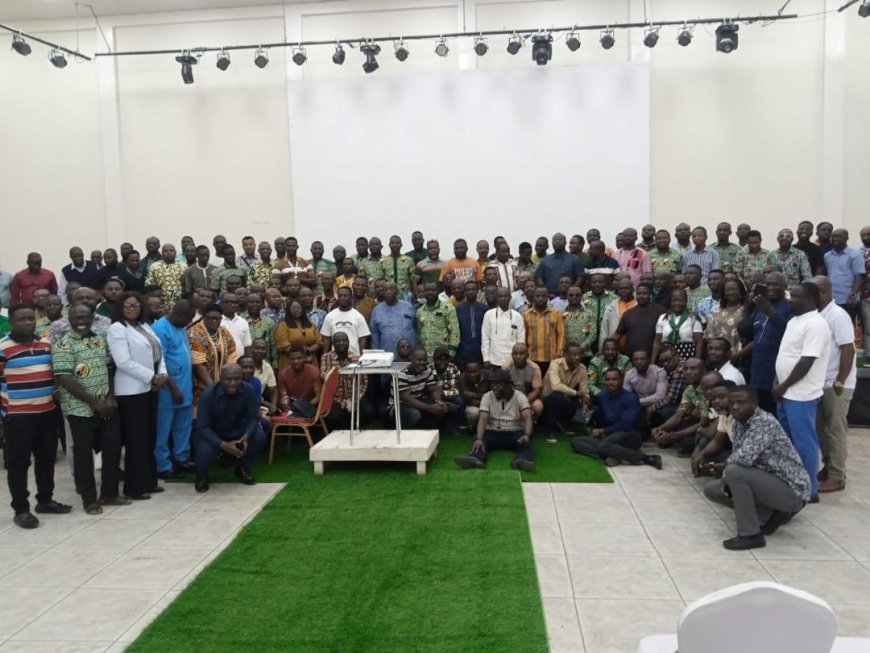
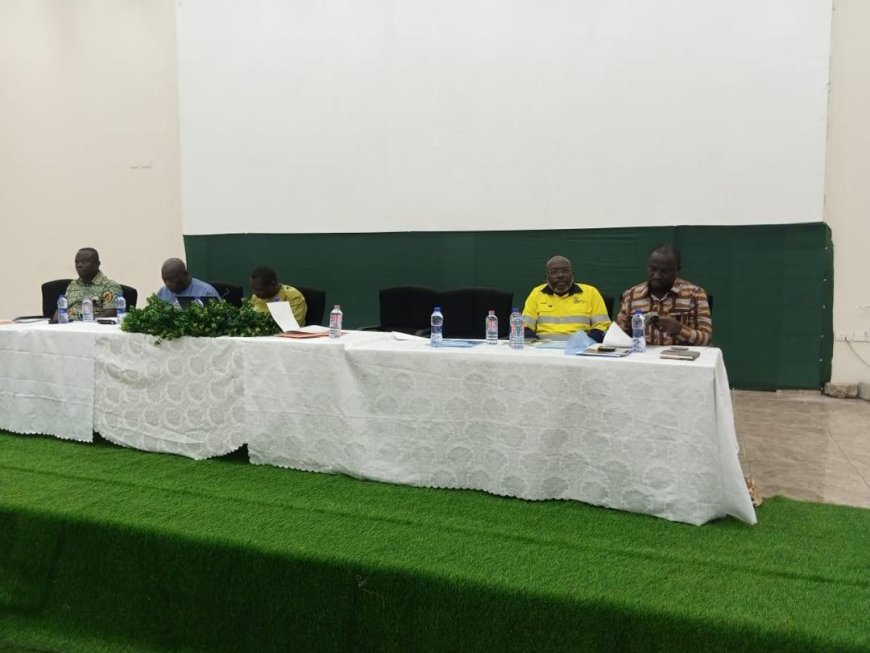
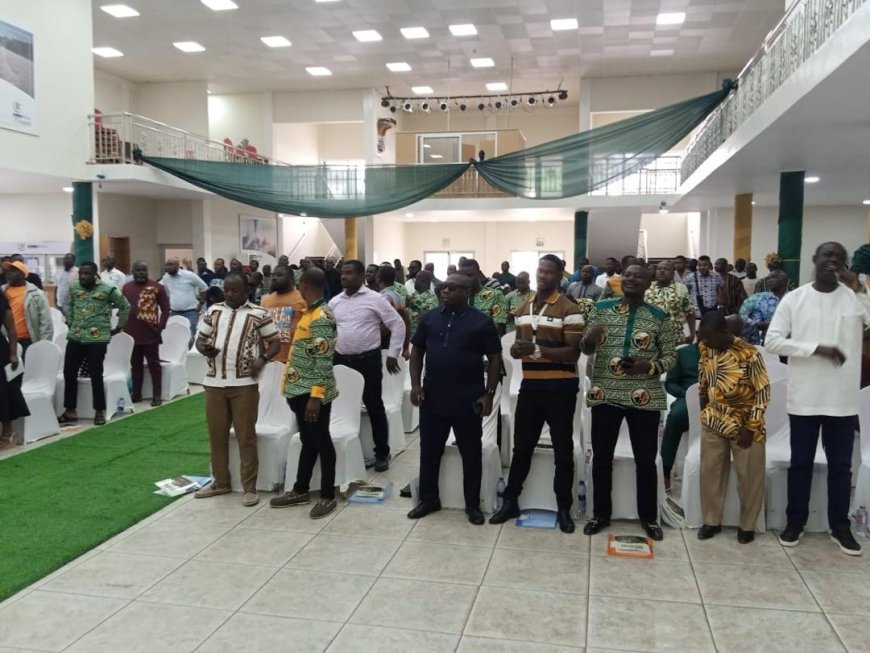

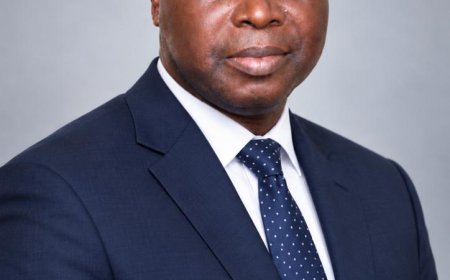
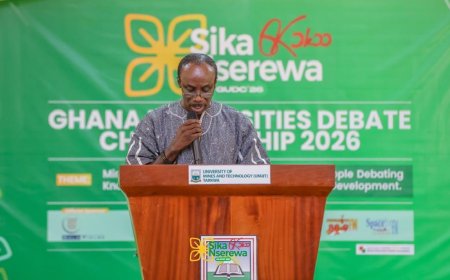
This stark contrast formed the incendiary core of a powerful address delivered by Jerry Kwabena Andoh, Deputy General Secretary of the Ghana Mineworkers’ Union (GMWU), at the Union's First-Half National Executive Council meeting in Tarkwa.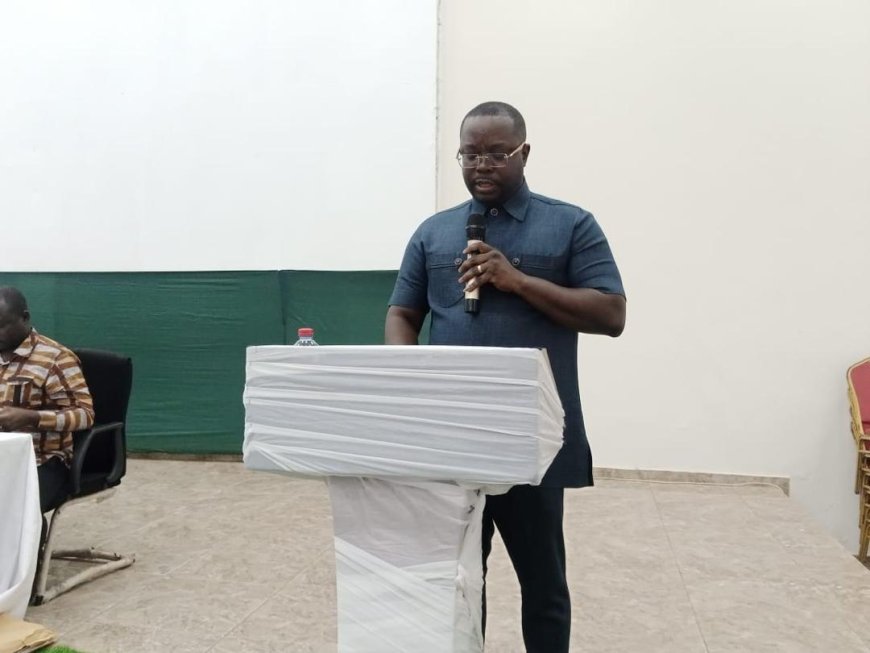 Mr.Andoh, speaking to union executives and dignitaries, including the Secretary General of the TUC and representatives from the Minerals Commission and Gold Fields Ghana Ltd., didn't mince words. While celebrating the mining sector's status as an "utmost beneficiary" of the post-pandemic world, he launched a scathing attack on the "increasing fragmentation of production" and the "rise of non-standard forms of employment," labelling them a direct threat to worker welfare and industry stability.
Boom Times, Bust Conditions: The Precarious 90%
The bombshell statistic dropped early: a staggering 90% of Ghana's mining workforce is now trapped in non-standard employment – temporary work, casualization, fixed-term contracts. This seismic shift, Andoh argued, is fueled by "cut-throat" outsourcing practices cynically masked as "local content" initiatives by the Minerals Commission and Ministry of Lands and Natural Resources.
"The current phenomenon where aspects of the mining business/jobs are farmed out at the least opportunity under cut-throat contract prices simply on the back of profit maximization must stop," Andoh declared, his voice resonating with frustration. He condemned the arrangement as "retrogressive," leading directly to:
* Eroded Protections: Lower job security, higher accident risks.
* Rampant Violations: Surging cases of ignored worker and trade union rights.
* Shrinking Bargaining Power: Reduced collective bargaining coverage.
* Financial Insecurity: Delayed wages, unpaid pensions (Provident Fund, 1st & 2nd tier), neglected taxes, and protracted salary negotiations.
Mr. Andoh saved particular ire for multinational mining companies and the Ghana Chamber of Mines, demanding they address this "growing concern" before it destabilizes the entire industry. He called for stricter enforcement, insisting core mining operations cannot be outsourced: "mining companies must be strictly responsible for the core business of mining, including associated employees’ cost."
Bogoso-Prestea: A Beacon of Hope Amidst Gloom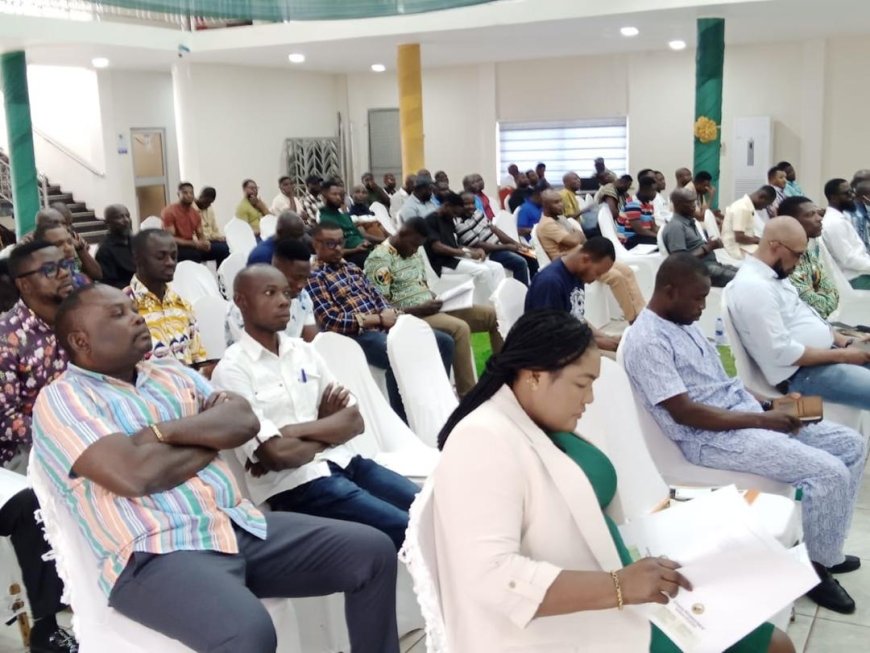 Providing a rare glimmer of hope, Mr. Jerry Andoh detailed the resolution of the long-running Bogoso-Prestea Mine saga. After intense union agitation and legal battles over unpaid wages under the previous leaseholder, Heath Goldfields Ltd. emerged as the new operator. Crucially, Andoh confirmed Heath Goldfields has paid approximately GHC 80 million in outstanding wages and is collaborating with the GMWU to settle the remainder and restart operations.
"Heath Goldfields... has paid a significant portion of total indebtedness... and is working with the Ghana Mineworkers’ Union to settle the remaining worker-indebtedness," Andoh stated, publicly commending the company for the "relief brought to our members" and their investment in young Ghanaian professionals. The GMWU pledged "fullest support" to Heath Goldfields' turnaround efforts and called on the government, regulators, and local communities to back the mine's revival.
Ghana's Golden Share: A Paltry 10%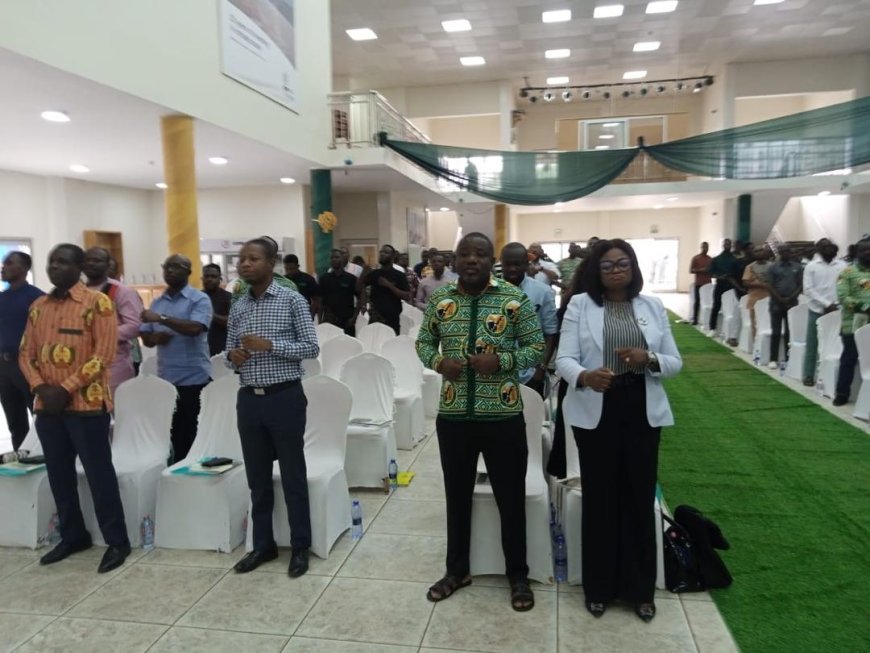 Turning to national ownership, Andoh highlighted Ghana's minimal stake in its mineral wealth – foreign interests control 90% of shares, leaving the government with a mere 10% "carrying interest." While rejecting calls for a radical state takeover (citing the failures of past state gold corporations), he lambasted the government for abandoning the promising "Minerals Income Investment Fund Small Scale Mining Incubation Programme."
Announced in 2021 with a GH₵354 million budget to transform Ghanaian small-scale miners into mid-tier players, the program "unfortunately, nothing substantial happened" under the previous administration. Andoh urged the current government to revive this "loft plan," arguing it, alongside an enhanced tax-royalty regime, represents a superior path to maximizing national returns than the current status quo or ill-advised takeovers.
A Somber Tribute
Mr.Andoh concluded on a deeply somber note, paying tribute to the eight Ghanaians killed in the helicopter crash on August 6, 2025. He described their deaths as "untimely and gruesome" and urged renewed national commitment to eradicating the galamsey menace.
The Call to Action
The Deputy General Secretary's message was clear: Ghana's mining boom is undeniable, but its benefits are grotesquely unevenly distributed. Urgent action is needed to reverse the tide of precarious labour, ensure fair contracts for local entities, revive initiatives for Ghanaian ownership, and protect the workforce that drives the industry. The glitter of record gold prices, Andoh forcefully argued, must finally reflect in the lives and security of the miners themselves. The ball, he made clear, is now firmly in the courts of the mining companies, the Chamber of Mines, and crucially, the Government of Ghana.
Source: Nana Esi Brew Monney
DISCLAIMER: The Views, Comments, Opinions, Contributions and Statements made by Readers and Contributors on this platform do not necessarily represent the views or policy of Space FM.
What's Your Reaction?
 Like
1
Like
1
 Dislike
0
Dislike
0
 Love
0
Love
0
 Funny
0
Funny
0
 Angry
0
Angry
0
 Sad
0
Sad
0
 Wow
0
Wow
0