














BANK OF GHANA RALLIES FINANCIAL SECTOR TO BUILD A GREENER FUTURE IN THE CONSTRUCTION INDUSTRY
The Second Deputy Governor of the Bank of Ghana, Mrs. Matilda Asante Asiedu, has emphasized the urgent need for banks to embed sustainability into the heart of their lending and risk management frameworks—particularly in the construction sector, which she described as a “vital engine for national development but also a hotspot for environmental and financial risk.”

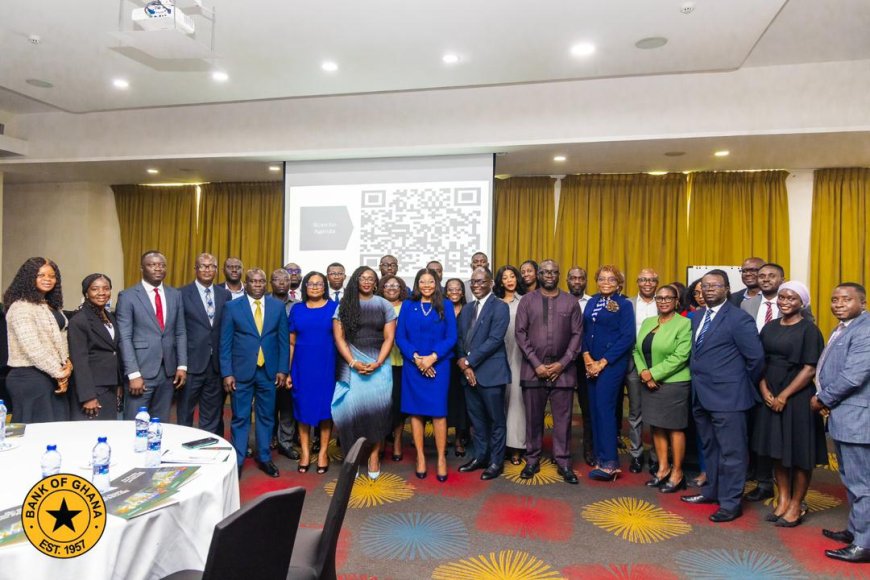
Delivering her opening remarks at the Ghana Sustainable Banking Principles Construction Sector Deep Dive forum at the Alisa Hotel in Accra, Mrs. Asante Asiedu stressed that the time for viewing environmental, social, and governance (ESG) issues as “tick-box exercises” or “PR initiatives” is long past.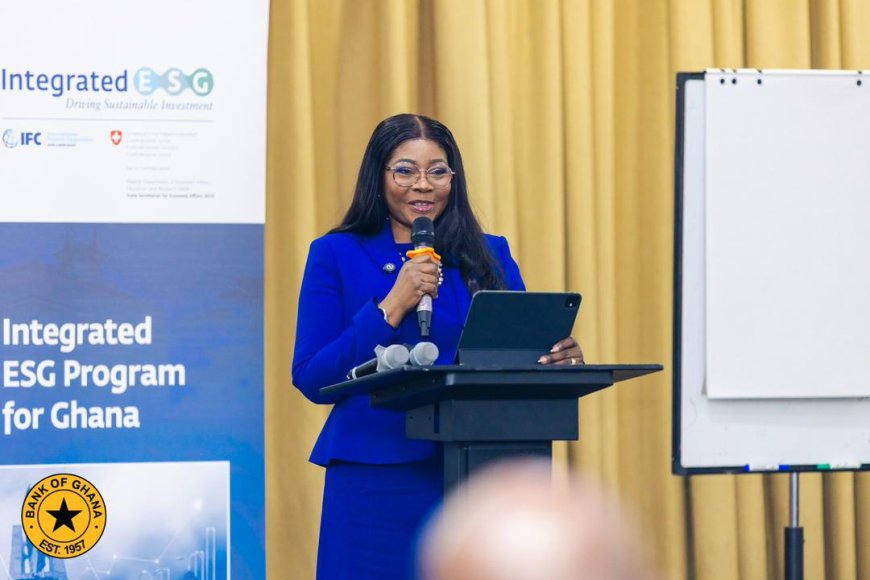 “ESG is not about feel-good reporting. It is a framework for measuring an organisation’s long-term sustainability and resilience,” she stated.
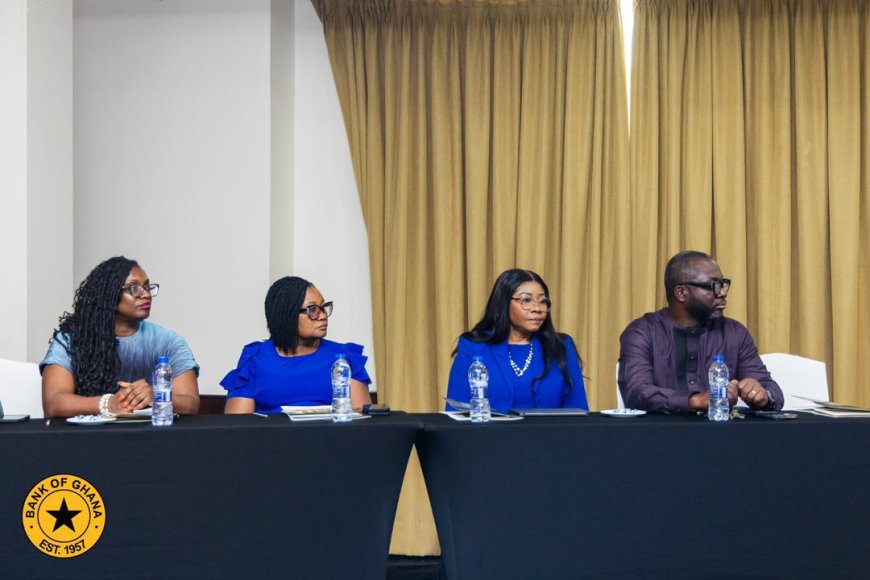
The session brought together key players from the banking industry, development finance institutions, regulators, and environmental experts to deepen the financial sector’s understanding of sustainability risks, particularly in financing construction projects.
Highlighting real-world implications, Mrs. Asante Asiedu noted that failure to consider ESG risks such as delayed permits due to poor environmental assessments or climate-driven disruptions to construction materials could inflate costs and timelines—ultimately threatening banks’ loan recoveries and reputations.
“Our goal is to ensure that banks do not simply react to these risks after they occur but proactively incorporate sustainability considerations into project due diligence, client engagement and portfolio monitoring,” she added.
A Decade of Sustainable Finance Leadership Mrs. Asante Asiedu outlined the central bank’s sustainability roadmap, which began in 2015 with the establishment of a Sustainable Banking Committee and gained momentum in 2019 with the launch of the Ghana Sustainable Banking Principles (GSBPs).
Since then, the central bank has trained all 23 commercial banks, developed ESG reporting tools through the ORASS platform, and driven compliance reporting that has seen average adherence to the GSBPs rise from 42.28% in 2021 to 73.06% in March 2025.
“Let me commend all of you for your efforts in this regard and the resultant enhancement in supervisory oversight and transparency,” she said.
Ghana’s central bank has also joined international efforts such as the Network for Greening the Financial System (NGFS) and is working with partners including the International Finance Corporation (IFC), Ghana Association of Banks (GAB), and the Environmental Protection Agency (EPA).
In 2024, the Bank of Ghana issued its Climate-Related Financial Risk Directive, mandating all regulated financial institutions to align their governance and risk management systems with climate risk standards by December 31, 2025. Full implementation begins on January 1, 2026.
Focus Shifts to Construction Sector
Following earlier engagements with the manufacturing and agriculture sectors, the construction industry is now under focus as it represents both a development priority and a critical area of climate vulnerability.
“Banks financing real estate or infrastructure must now think beyond cement and cash flows—climate shocks, environmental clearances, and social impact are all part of today’s risk calculus,” Mrs. Asante Asiedu noted.
The Deputy Governor urged financial institutions to go beyond compliance and work toward long-term value creation through responsible lending. She also acknowledged the support of institutions such as the Chartered Institute of Bankers, the Institute of Chartered Accountants Ghana, and development partners, whose efforts are helping shape Ghana’s sustainable finance ecosystem.
Looking Ahead
The event marks another milestone in Ghana’s push for a greener and more resilient financial sector. Mrs. Asante Asiedu concluded by encouraging participants to use the platform to engage in “frank discussions,” share innovations, and align their risk strategies with sustainability goals.
“This is not a side conversation anymore. Sustainability is now central to financial soundness, national development, and global competitiveness,” she affirmed.
Source: Nana Esi Brew Monney
DISCLAIMER: The Views, Comments, Opinions, Contributions and Statements made by Readers and Contributors on this platform do not necessarily represent the views or policy of Space FM.
What's Your Reaction?
 Like
0
Like
0
 Dislike
0
Dislike
0
 Love
0
Love
0
 Funny
0
Funny
0
 Angry
0
Angry
0
 Sad
0
Sad
0
 Wow
0
Wow
0