












“Don't Kill The Golden Goose": Mining Boss Warns Against Drastic Law Changes
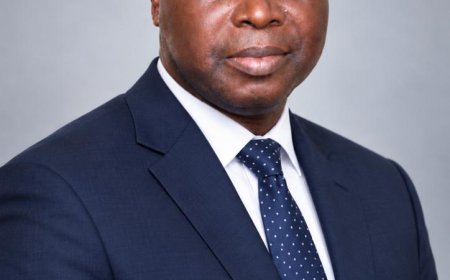
The President of the Ghana Chamber of Mines, Michael Akafia, has issued a strong caution to lawmakers, arguing that proposed amendments to the country's mining laws could destabilise investment and jeopardise the industry's future.

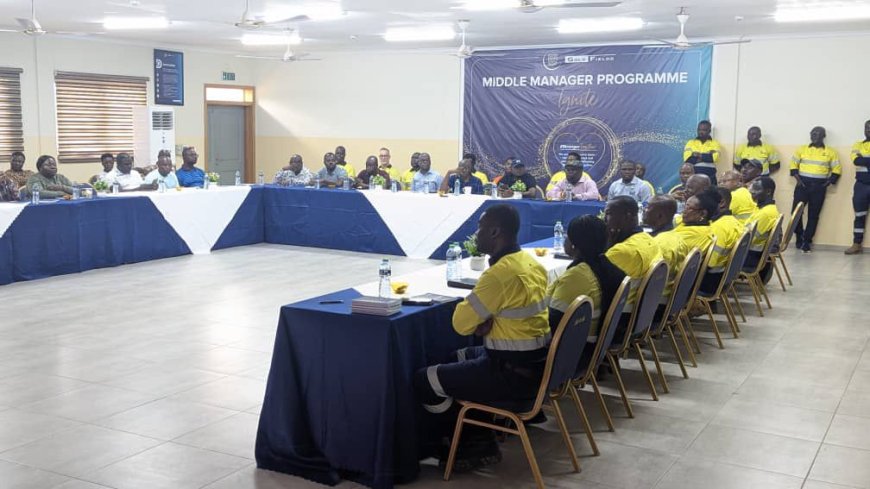
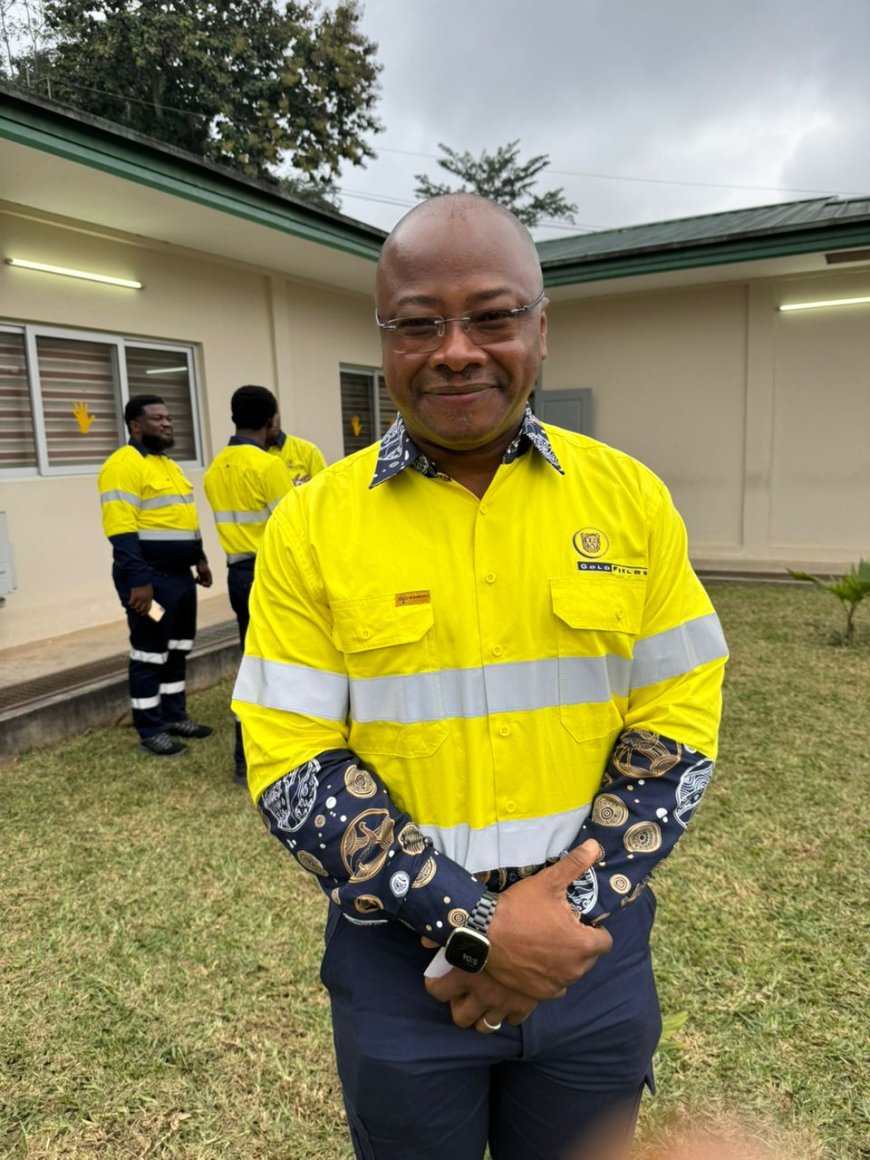 Akafia, who is also the Vice President of Gold Fields Ghana, addressed the media in Tarkwa following a working visit by the Parliamentary Select Committee on Lands and Natural Resources to Gold Fields' operations. The visit was part of the committee's tour of mining companies in the Tarkwa Nsuaem municipality, aimed at engaging stakeholders on proposed changes to the Minerals and Mining Act.
While acknowledging that laws need periodic review, Akafia expressed significant concerns over two specific proposals from the Minerals Commission: a drastic reduction in mining lease tenures and a change to dispute resolution protocols.
The Battle Over Lease Tenure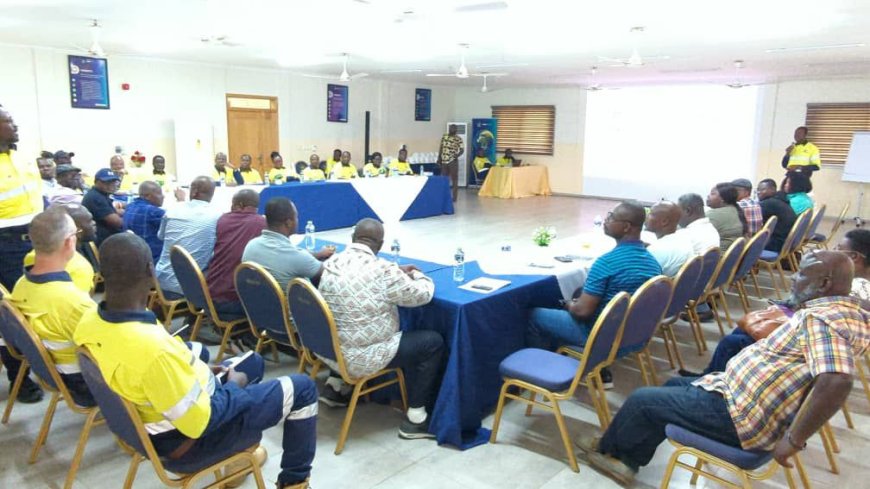 The most contentious proposal is to reduce the maximum duration for mining leases. The current law allows for leases of up to 30 years. The Minerals Commission's amendment seeks to slash this to a maximum of 15 years for an initial term, renewable for only 10 years.
Akafia challenged the Commission's justification that mining projects have a payback period of about five years, calling this notion "far from my reality."
"Mining is a capital-intensive, long-term, highly risky venture," Akafia stated. "Security of tenure is one of the things that's important for investment. And when we say investors, we don't only mean foreign investors. We mean Ghanaian investors... the expectation is that you have some secure tenure to allow for the realization of the benefit of that investment."
He urged Ghana to learn from "mature mining giants jurisdictions like Australia, South Africa, and Canada, which he said thrive precisely because they offer long-term stability to investors.
Plea for Flexibility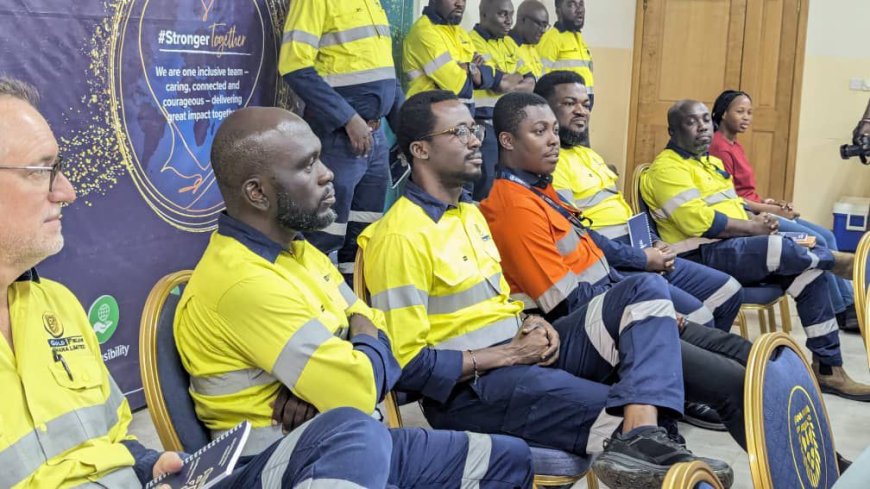 Akafia argued that the current law already possesses the necessary flexibility. He revealed that in a recent case, an applicant voluntarily sought only a 10-year lease because their feasibility study supported that timeframe.
"The law is flexible... for the regulator, in the appropriate case, to give a shorter time if that's what is justified," he said. "You should leave the law flexible because you want to be able to account for circumstances that you may not have even contemplated."
He pointed to the emerging market for critical minerals, like rare earth elements, which may require longer lifespans to be economically viable. He also noted that lower-grade mines need extended periods to achieve a return on investment.
Dispute Resolution Concerns
A second major area of concern is a proposal to restrict mining dispute resolutions solely to the High Court. Akafia criticized this as a step backwards, given the well-documented backlog of cases in the court system.
"In these days, it is now trendy to propose alternative dispute resolution mechanisms, including arbitration," he argued, suggesting that the law should encourage these modern, efficient methods rather than limit options.
The Chamber of Mines' public opposition sets the stage for a crucial debate in parliament. The industry's message is clear: while modernization is welcome, stability and flexibility are non-negotiable pillars for the capital required to unlock Ghana's mineral wealth.
Source: Nana Esi Brew Monney
DISCLAIMER: The Views, Comments, Opinions, Contributions and Statements made by Readers and Contributors on this platform do not necessarily represent the views or policy of Space FM.
What's Your Reaction?
 Like
0
Like
0
 Dislike
0
Dislike
0
 Love
0
Love
0
 Funny
0
Funny
0
 Angry
0
Angry
0
 Sad
1
Sad
1
 Wow
0
Wow
0