











The government has announced plans to end commercial rice imports by the close of 2030, as part of an ambitious drive to boost local production, create jobs and make Ghanaian rice the mainstay of public institutions
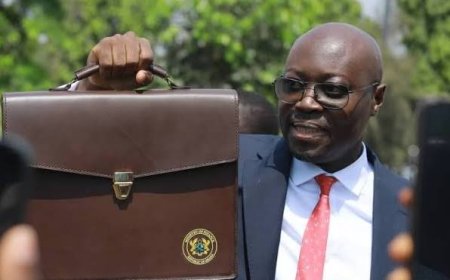
Finance Minister Dr Cassiel Ato Forson announced the policy when he presented the 2027 Budget Statement to Parliament on Thursday, November 12. Under the policy, public institutions, including schools and hospitals, will be required to purchase only Ghanaian rice and other locally produced staple foods with public funds.

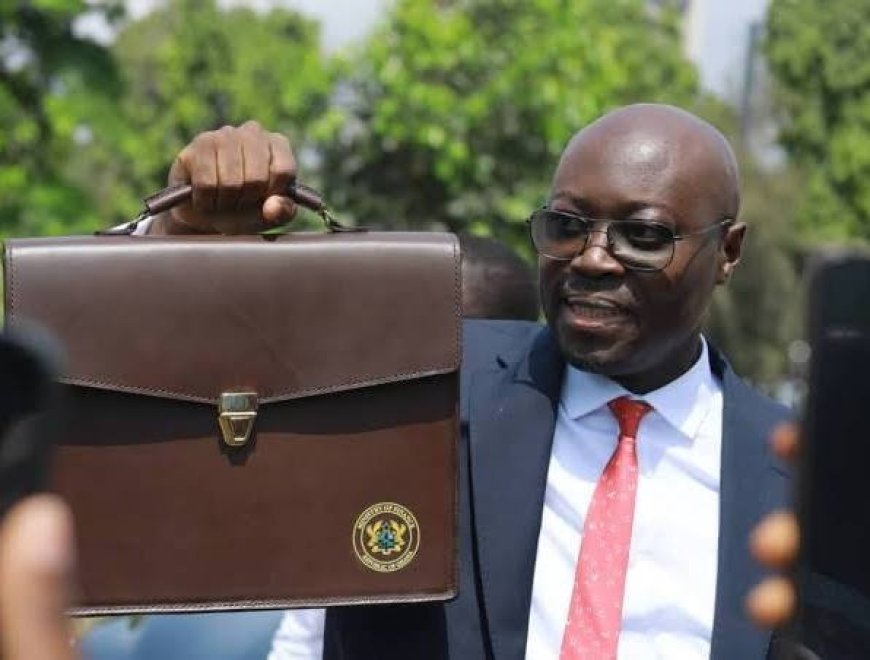
Dr Forson says the move is intended to guarantee a ready market for local farmers while ensuring that government expenditure supports domestic businesses and creates jobs. The government will also amend the public procurement laws to enforce the directive. As part of efforts to increase production, three rice development hubs will be established in the Volta Basin, Western Ghana and Northern Ghana.
The hubs will be equipped with irrigation facilities, mechanisation, storage infrastructure, modern mills, packaging and logistics services to strengthen the entire rice value chain. According to the Finance Minister, the initiative is expected to bring an additional 100-thousand hectares of land under rice cultivation, with targeted yields of between five and six metric tonnes per hectare. It is also projected to create about 125-thousand jobs.
Dr Forson further announced targeted tax incentives for investors in irrigation, mechanisation, storage facilities, milling, packaging and logistics to reduce production costs and post-harvest losses. The government will also introduce a new arrangement from 2027, requiring rice importers to purchase specified quantities of rice from verified Ghanaian farmers and millers before being granted import licences. The proportion of locally produced rice importers must purchase will increase as domestic production expands, while import quotas will gradually decline.
Dr Forson says the ultimate goal is to completely phase out commercial rice imports by the end of 2030, backed by sufficient local production, processing, storage and distribution capacity. The policy forms part of the government's broader efforts to reduce Ghana's food import bill and retain more resources within the local economy.
Finance Minister Dr Cassiel Ato Forson has defended the government's spending decisions, insisting that a significant portion of public funds is being used to settle inherited debts and restore confidence in Ghana's economy. He says the government cannot abandon its financial obligations in the name of increased expenditure, warning that doing so could plunge the country into another economic crisis.
Speaking in an interview after presenting the 2027 Budget to Parliament, Dr Forson disclosed that government had so far paid 41 billion cedis to bondholders under the Domestic Debt Exchange Programme, DDEP. He described the payments as part of the difficult financial responsibilities inherited from the previous administration.
The Finance Minister was responding to criticism that the government was not spending enough, arguing that available resources must first address pressing financial obligations. Dr Forson maintained that the previous administration had left behind substantial debt obligations and a difficult economic situation which required careful management.
He said the government's approach aimed to meet its commitments while safeguarding the economy against a return to financial instability.
Source: Nana Esi Brew Monney
DISCLAIMER: The Views, Comments, Opinions, Contributions and Statements made by Readers and Contributors on this platform do not necessarily represent the views or policy of Space FM.
What's Your Reaction?
 Like
0
 Dislike
0
 Love
0
 Funny
0
 Angry
0
 Sad
0
 Wow
0