













95% of Broken Faces Caused by Motorbikes and Rickshaw (Pragia)
The lower jaw is supposed to move up and down for chewing, talking and smiling. But for dozens of accident victims at the Tarkwa Municipal Hospital, the mandible now moves side to side in pieces.

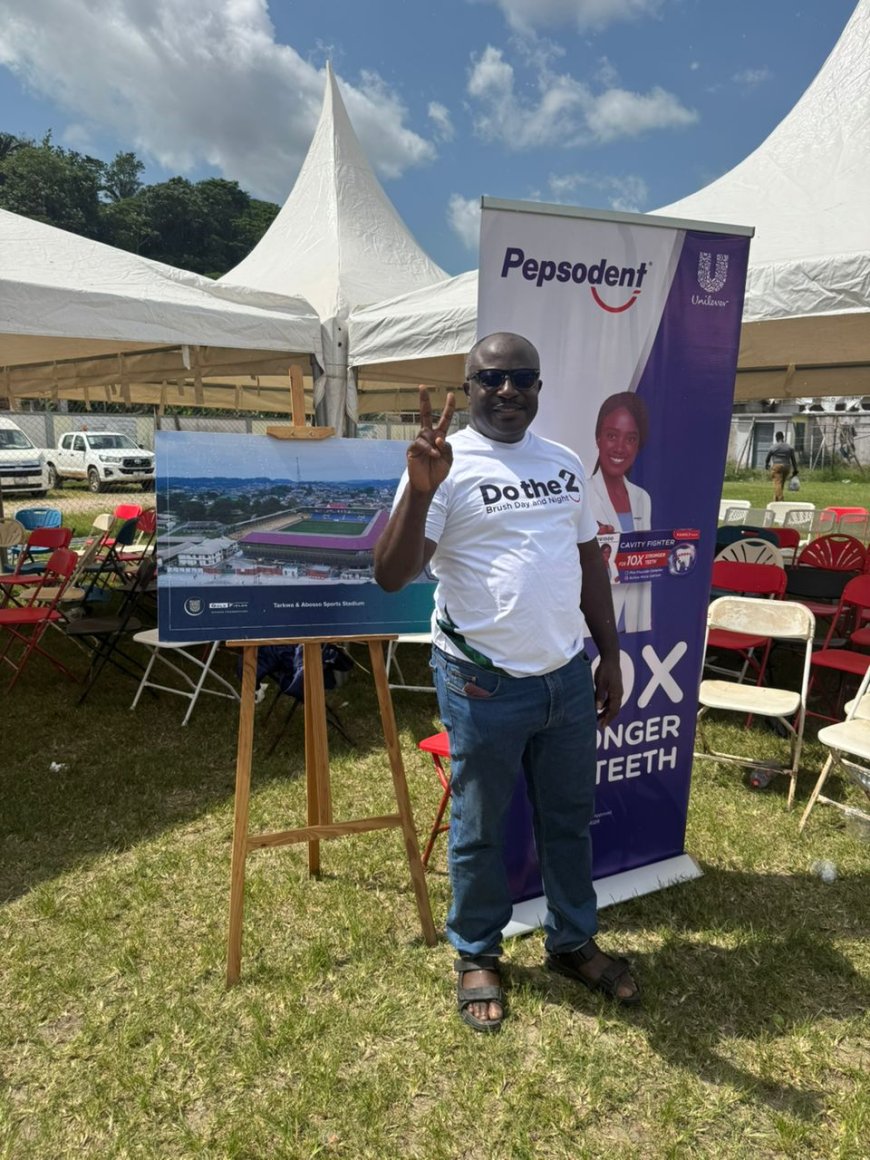
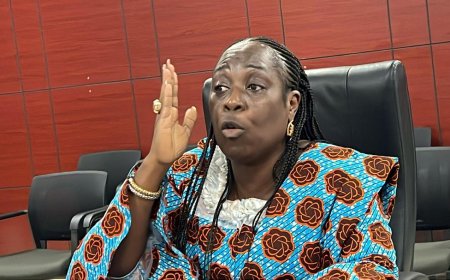
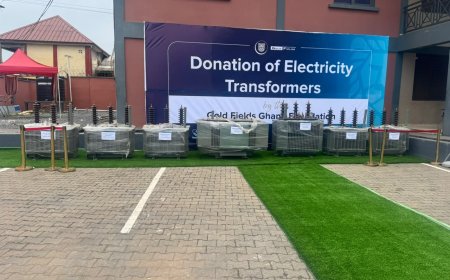
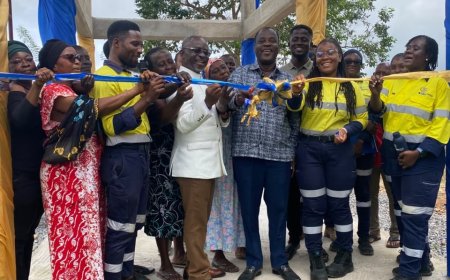
Dr. Victor Paintsil, a dental surgeon at the hospital, has seen enough. In an exclusive interview with Space News, at the sidelines of World Oral health day celebration by Gold Fields Ghana Foundation in collaboration with Unilever Ghana, he pulled back the curtain on a hidden epidemic: road traffic injuries to the head and neck. And the numbers are terrifying.
“From January 2025 up to February 2026, we have seen close to 60 cases of road traffic accidents that brought people to the hospital with injuries affecting the head and neck area,” Dr. Paintsil revealed. “And this is just the Tarkwa Municipal Hospital alone. The other hospitals are not even added.”
80% of Injuries: The Broken Jaw
Of those 60 cases, the most common injury is a fracture of the mandible—the lower jaw.
“Mandibular fractures form about 80% of these injuries,” he said. Other cases involve the upper jaw (maxilla), the cheekbone (zygoma), and the frontal bones of the skull.
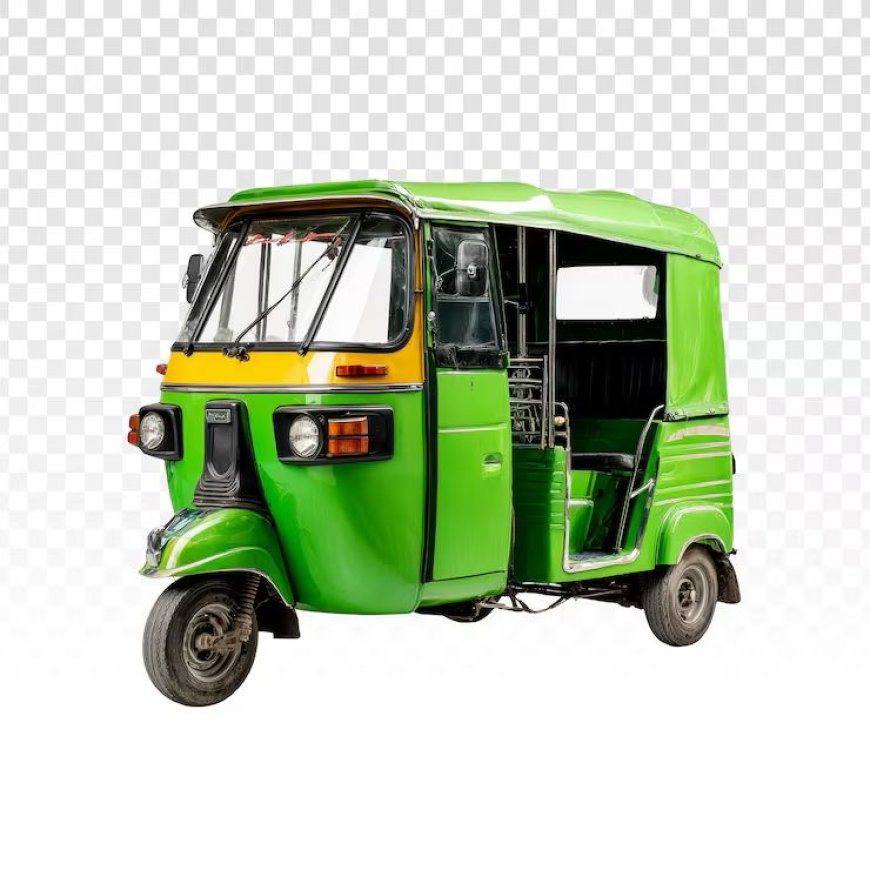
But here is the most heartbreaking detail: 95% of these cases come from motor bicycles and tricycles including the widely used Pragia (rickshaw).
And not a single victim was wearing a helmet.
“Of all the people who reported, there was not even one who was wearing a helmet,” Dr. Paintsil said, his voice heavy with frustration.
A Bleeding Plea: Wear the Helmet
The dental surgeon is not just counting broken bones. He is begging for a change in behavior.
“The message is that our law enforcement agencies must ensure the wearing of helmets for those who choose to use motor bicycles and tricycles for transportation,” he stressed.
But he went further. Looking straight into the camera, he gave Ghanaians a blunt, life-saving choice.
“As much as possible, this is a means of transportation that is not safe from the data that is before us. So if you have an option of a better means of transportation, I will advise you to use a car.”
But he knows many people have no choice. So for those who still climb onto a motorbike or Pragia, his words are simple and urgent:
“If you choose to use a tricycle or motorbike, I will advise you to wear a helmet. The rider must wear it, and the passenger must also wear it. So that we can save ourselves the disability that we are bringing upon ourselves.”
The Human Cost
Behind every fractured jaw is a story. A breadwinner who can no longer chew. A mother whose smile is now wired shut. A young person facing months of recovery and a lifetime of regret.
Dr. Paintsil’s message is not complicated. It is not expensive. It is a piece of plastic and foam strapped under the chin.
“Another problem we have seen in our community, which I believe is not very different from the bigger picture in Ghana, is the rising rate of injuries to the head and neck region associated with road traffic accidents,” he said.
The data is now on the table. Sixty broken faces in one hospital. Fourteen months. Zero helmets.
The question is not whether another accident will happen tomorrow. It is whether the next victim will be wearing a helmet or adding to the count.
Source Nana Esi Brew Monney
What's Your Reaction?
 Like
1
Like
1
 Dislike
0
Dislike
0
 Love
0
Love
0
 Funny
0
Funny
0
 Angry
1
Angry
1
 Sad
0
Sad
0
 Wow
0
Wow
0